
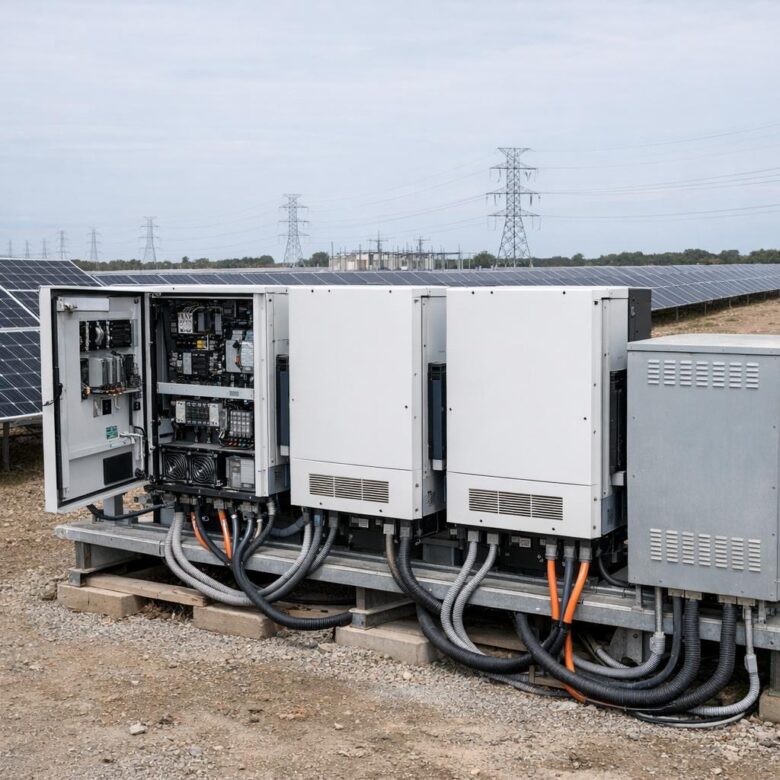
Advanced string and central inverters with grid-forming controls, high DC ratios, and predictive monitoring improve uptime, power quality, and ROI for grid-scale solar assets.
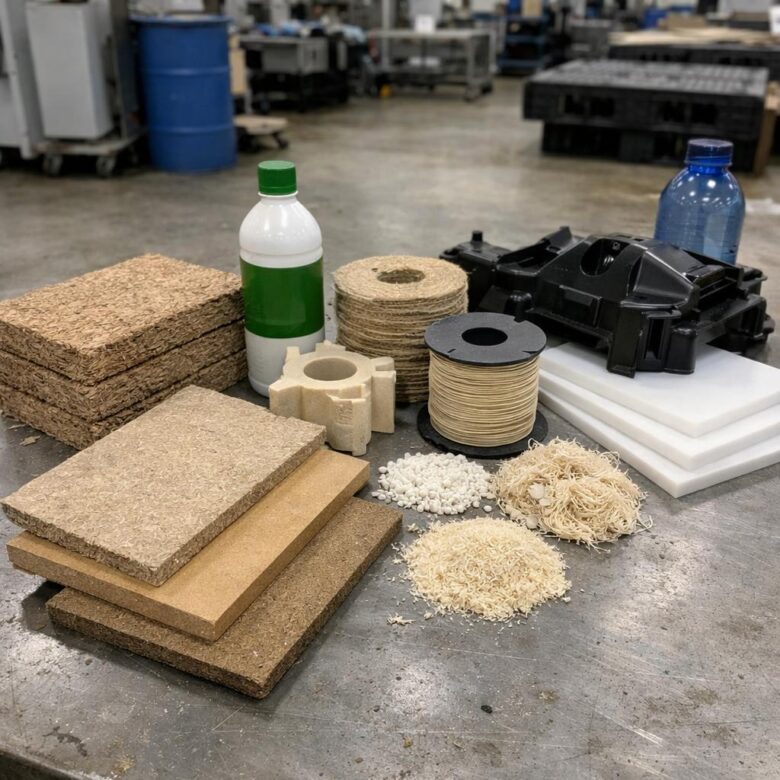
Sustainable substitutes for high-impact industrial plastics include recycled metals, bio-based polymers, glass, and fiber composites that cut emissions while preserving durability.

LCA for industrial products starts by defining scope, mapping inputs and emissions across each life-cycle stage, then interpreting impacts to guide design, sourcing, and process improvements.

Learn to calculate solar LCOE by summing lifetime CAPEX, O&M, degradation, and discounting, then dividing by total discounted energy output.
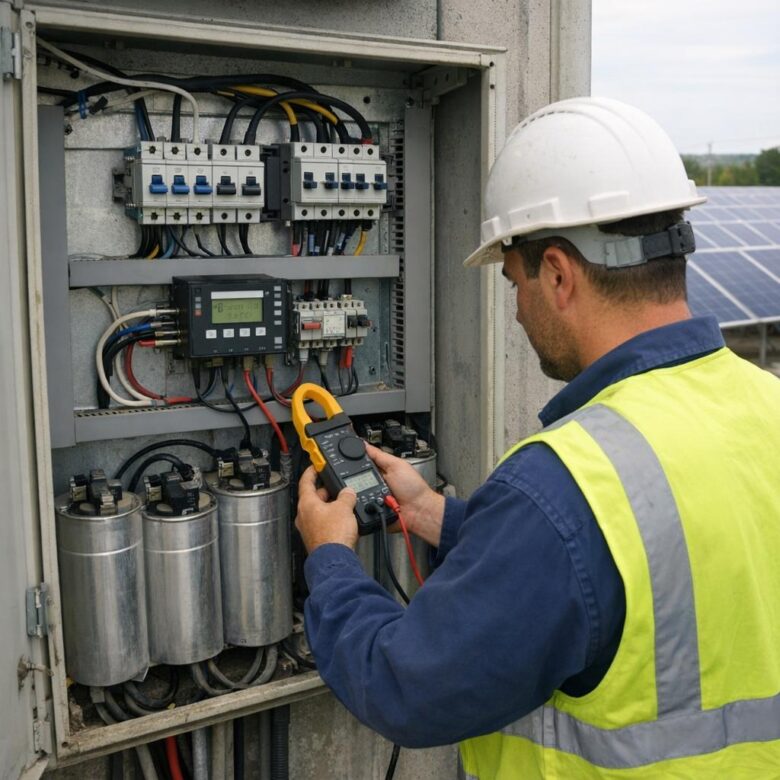
Fix power factor issues by auditing load profiles, tuning inverter VAR settings, and adding capacitor banks or active filters to cut penalties and stabilize industrial solar output.
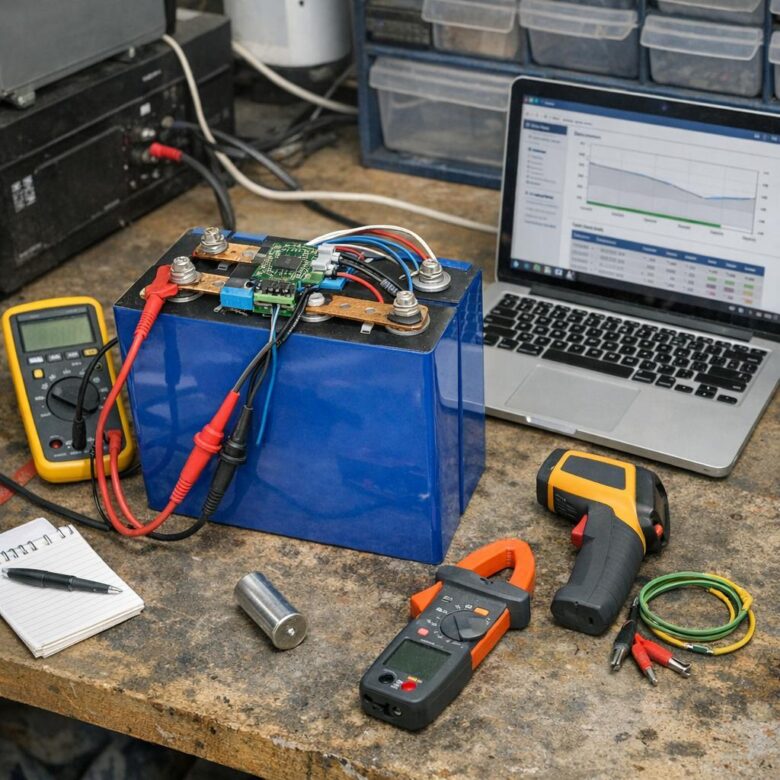
Monitor LiFePO4 health by logging voltage, current, temperature, SOC, and cycle data, then checking balance and capacity trends to catch aging or faults early.

Source low-carbon steel by requiring EPDs, recycled or H₂-DRI content, mill emissions data, and supplier capacity aligned with project scale and delivery risk.

Export-grade materials must meet destination-specific environmental rules, from restricted substances to packaging waste, with documented testing and supplier traceability.
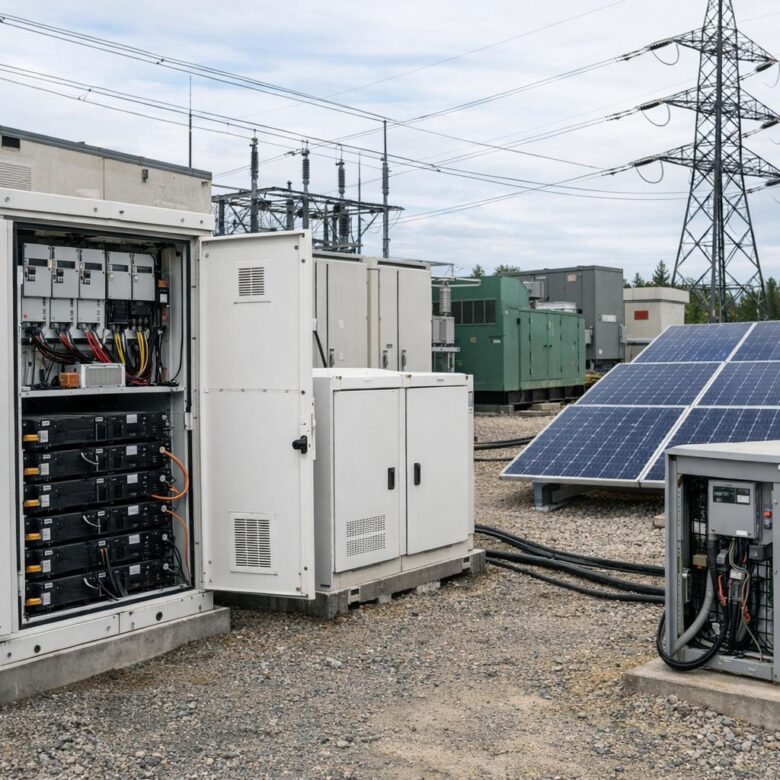
Integrate solar storage by mapping load profiles, sizing batteries for peak shaving and backup, and coordinating inverters with the microgrid controller.
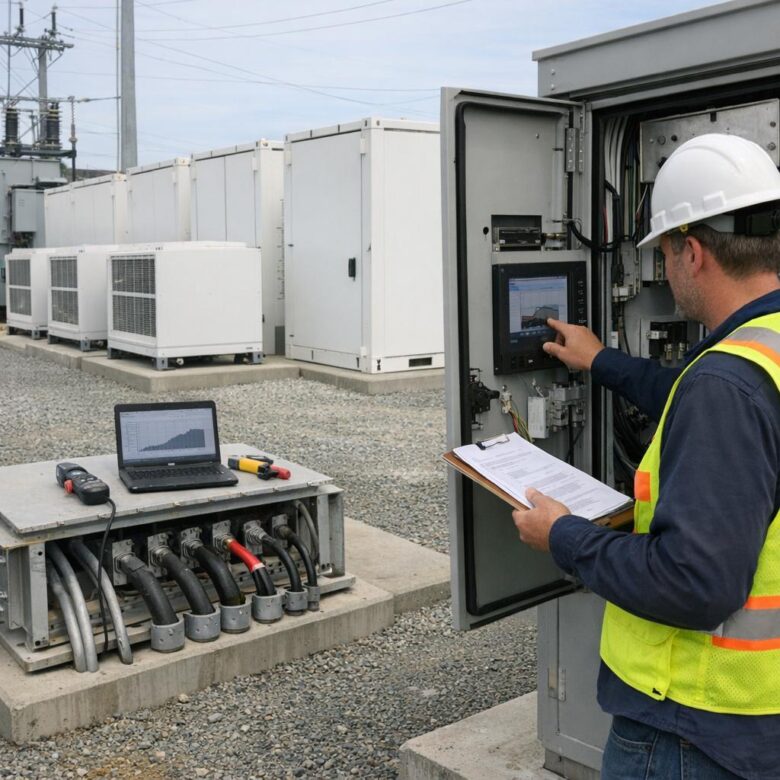
Utility-scale battery storage enables peak shaving by forecasting load, sizing BESS capacity, optimizing dispatch controls, and meeting protection, metering, and interconnection requirements.